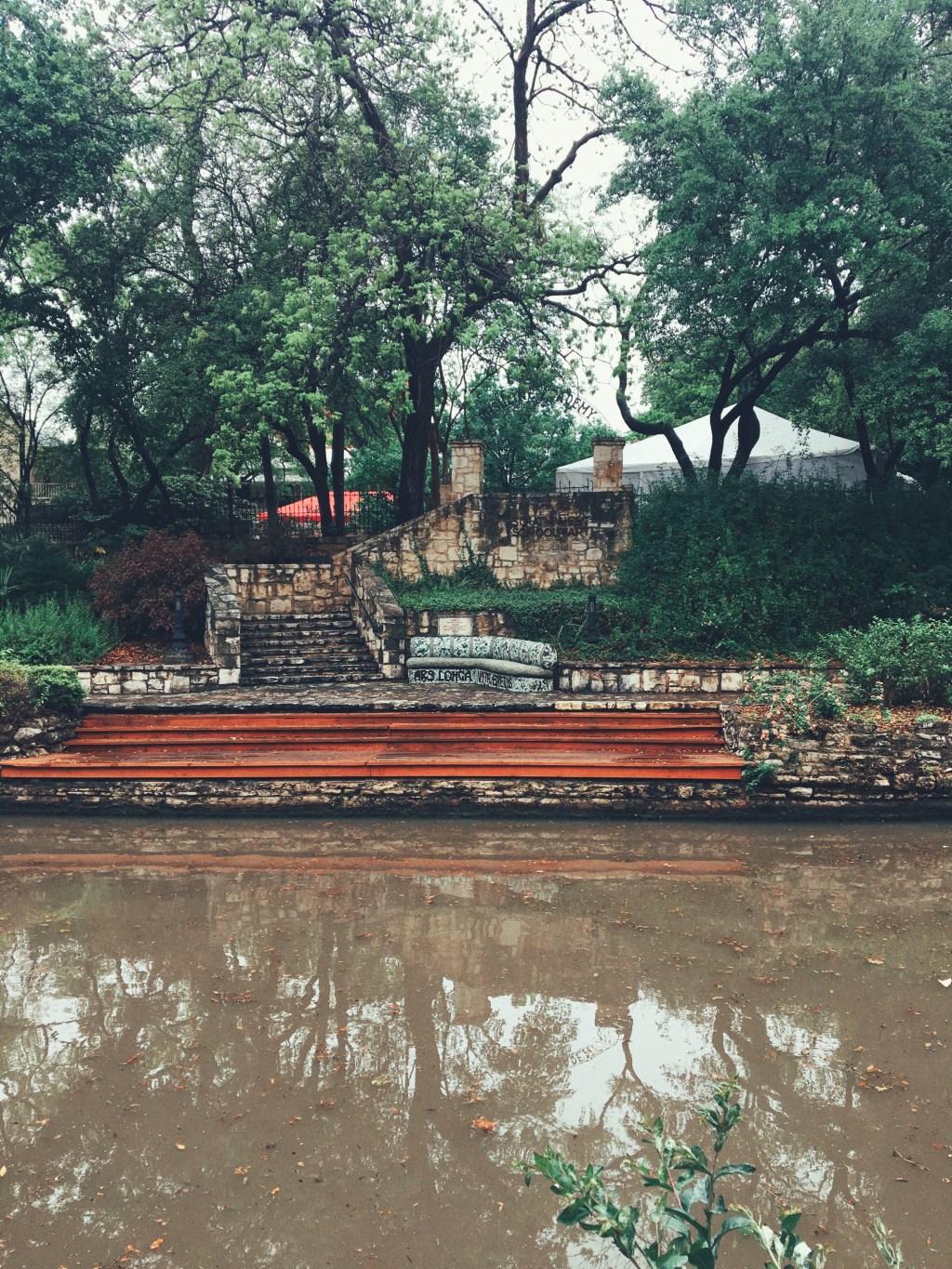
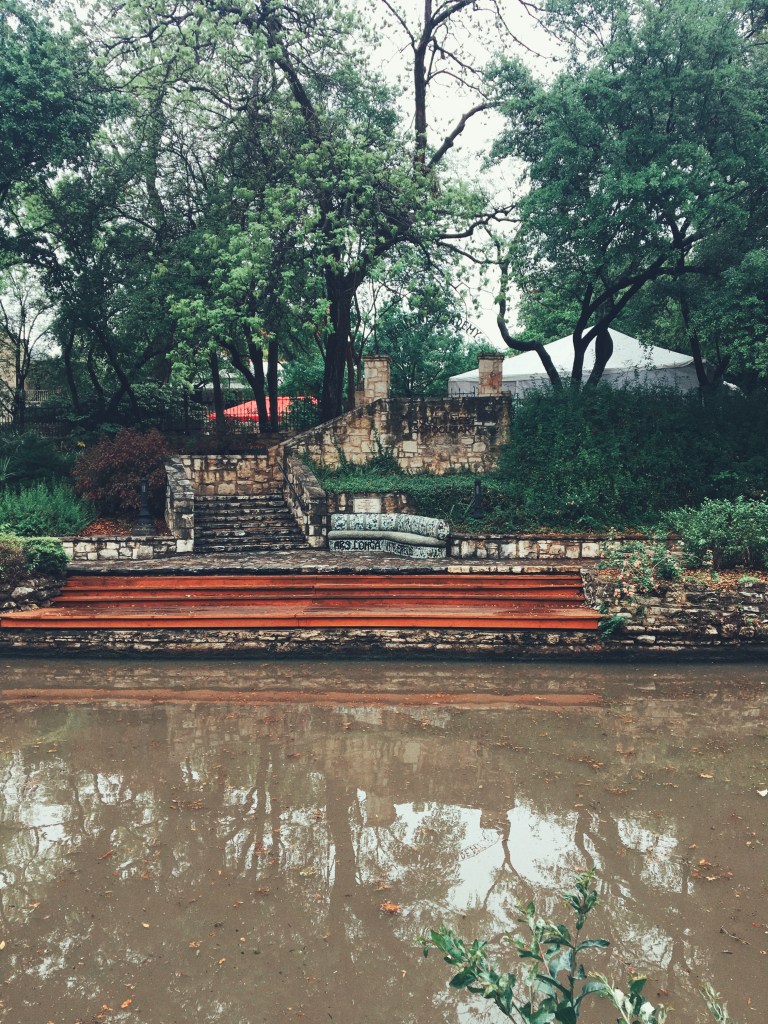
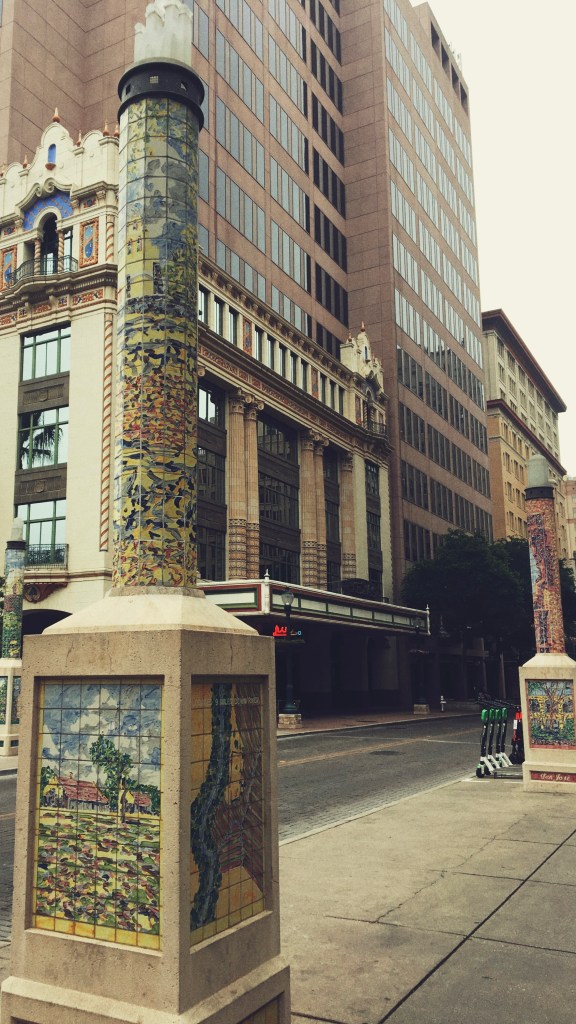
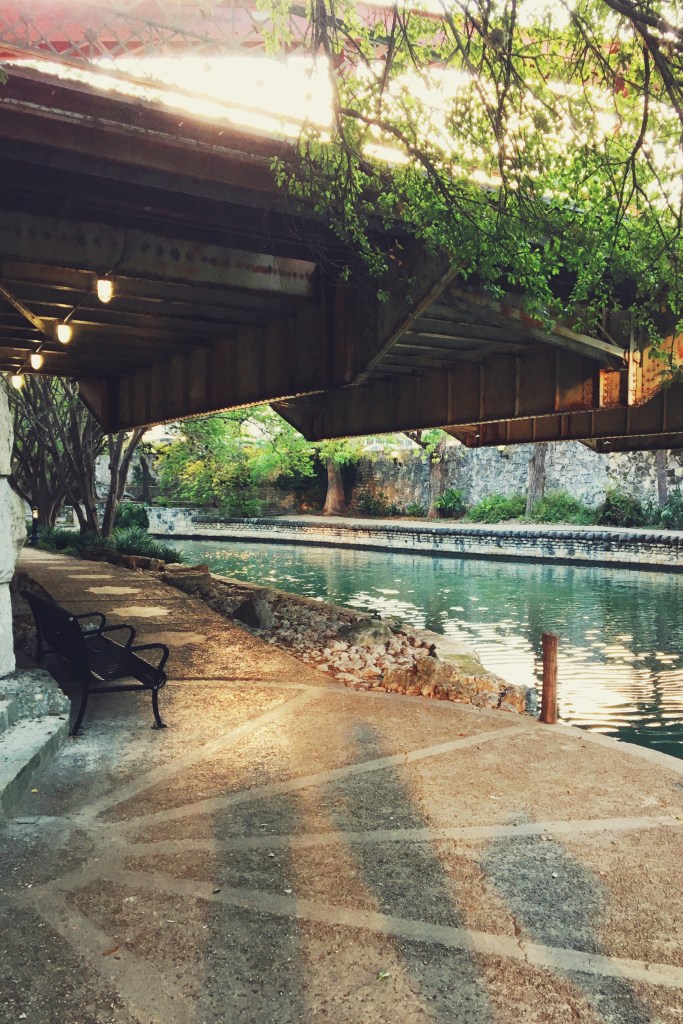
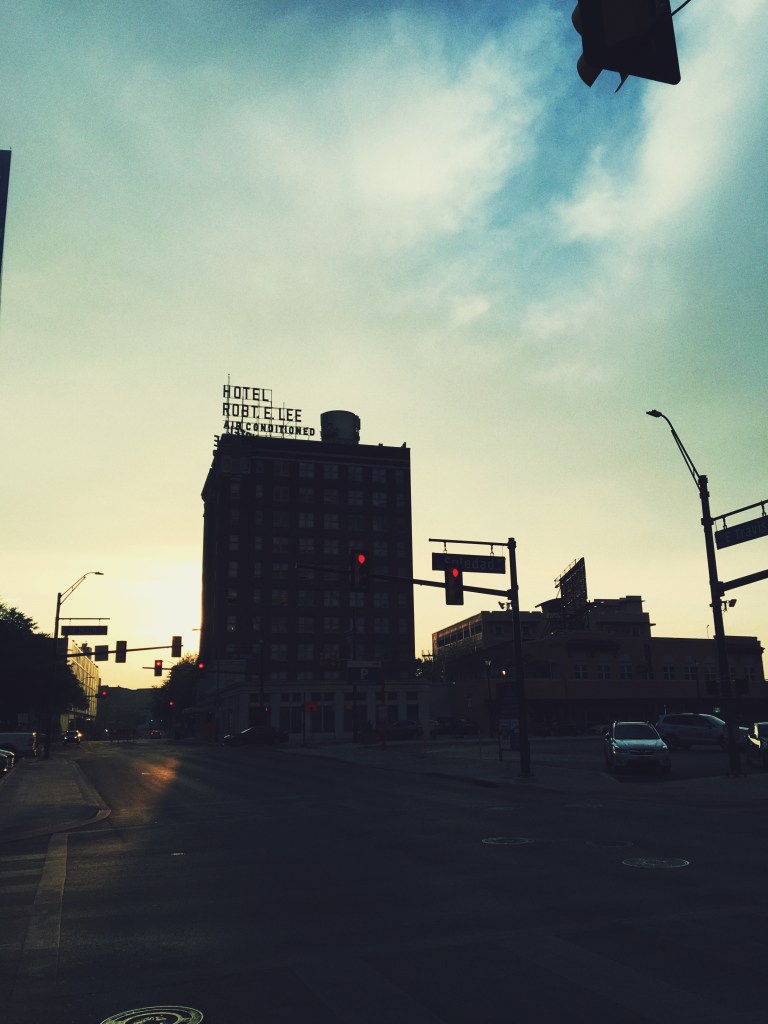
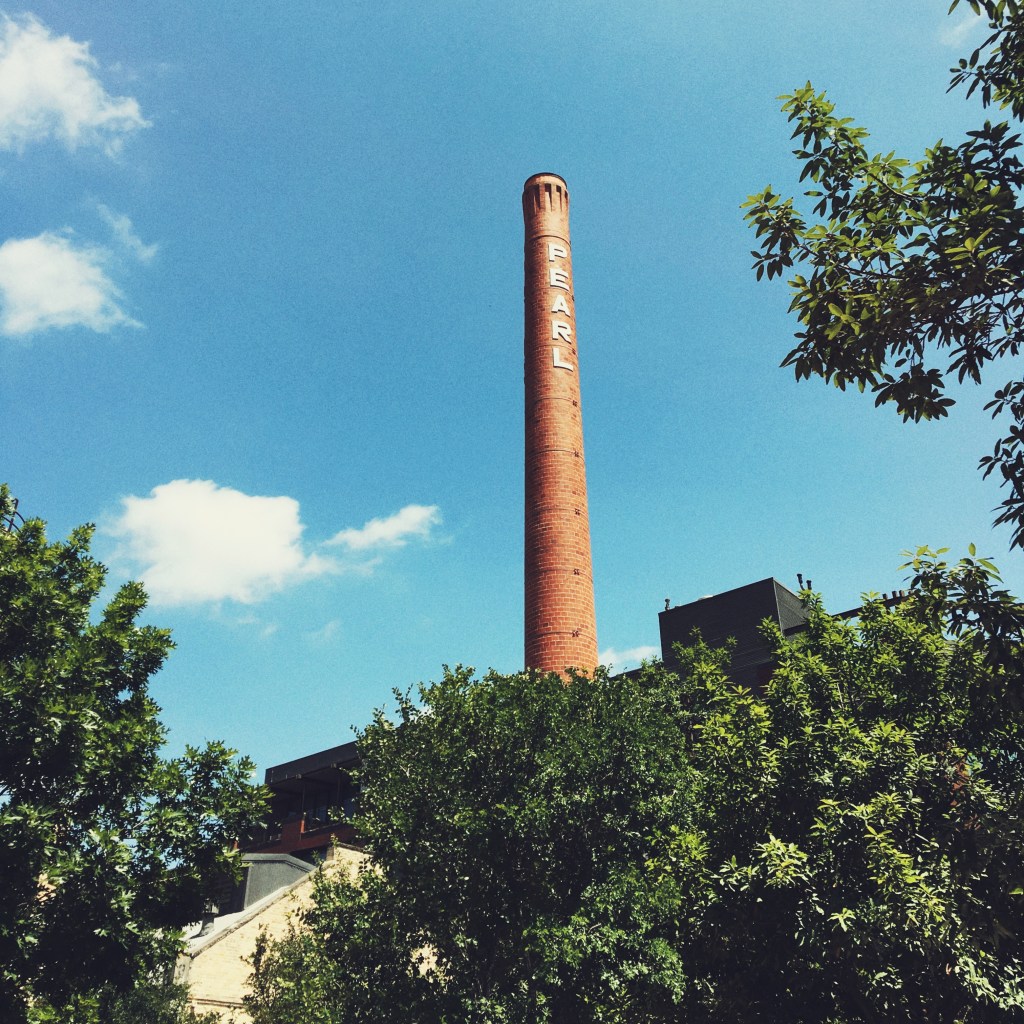
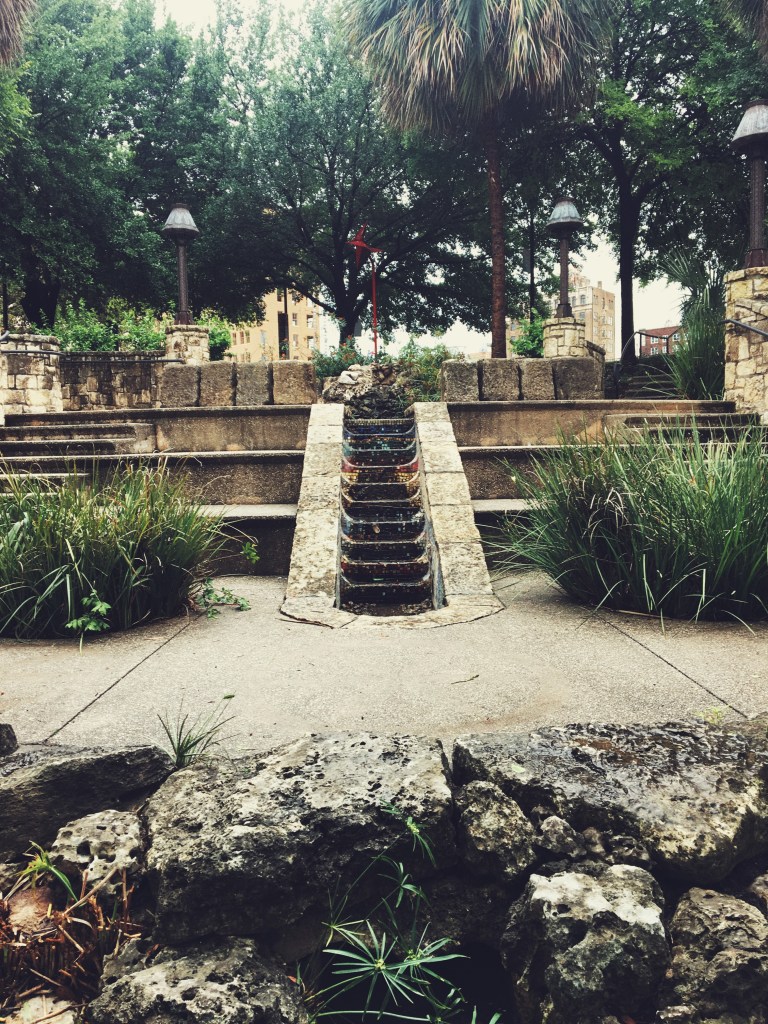
Shots of San Antonio sights from my 2019 + 2020 San Antonio trip. Shot on an iPhone SE, and edited with Snapseed.
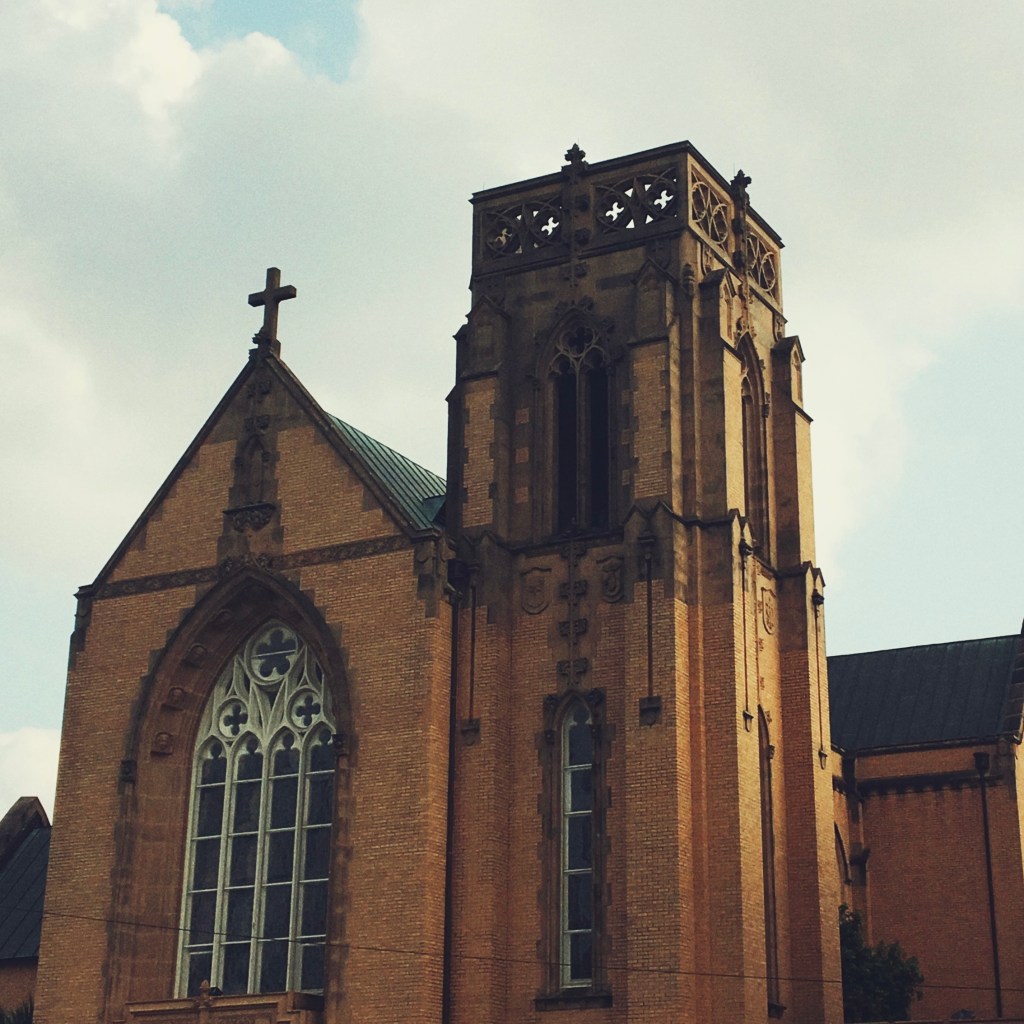
What is the difference between a photographer and someone who makes paintings or sculptures? I promise, this isn’t the start of a bad joke. If it was, I would have started it like this: “What’s the difference between a photographer and a real artist?”.
I used to un-ironically think this way. I grew up making “traditional” art, with paints, pencils, and all that. Actually I still make most of my work this way. I probably for that reason held a prejudice against photographers and and photography in general. Snapping a picture by pressing a button just didn’t seem like enough work — artists are supposed to earn their compositions by trial and error, by sweat and grime and pigment. At least, that’s what I did.
Like many artists, I struggle with finding a thread that connects my work, a purpose. This struggle usually rears its head as I sit before an easel or a blank page. The clarity arrives, however, when I look at my past work, all laid out. The threads began to appear for me when I started noticing how much of my work centered around the theme of “place”. Landscapes became very important, and prominent.
Around the time this shift occurred, I moved from my home of central Alabama, in the very southernmost region of Appalachia, to the oil field country of Houston, Texas. I distinctly remember crossing the huge suspension bridge into Deer Park for the first time. It can best be described in two words: Blade Runner. The huge metal blood clot in the mouth of the Sabine River basin was tangles of pipes, lit with millions of lights, in hundreds of hues, and shone around the bay and the bridge like a metropolis.
The sense of place that I had become accustomed to was gone. This was much different than a vacation, because the scenery wasn’t anything to write home about. Everything, as far as the eye could see, was manmade and ugly. And the eye could see pretty far, because coastal Texas is flat as a flitter.
I began snapping pictures with my iPhone to document the new sights. To me, at the time, this was not an act of artistic merit. It was simply documentation that may lead to some art. Photos eventually became my way of creating compositions, so I could draw at my own convenience.
Since I have lived in Texas, I have been fortunate enough to see lots of sights here. Lots of natural beauty and manmade quirkiness abound, and I never fail to chuckle when the things I find awe-inspiring, the locals ignore; the things the Texans choose to be proud of are silly to me. (And vise-versa).
Similarly, when I scrolled through my camera roll, like looking over my old drawings and paintings, I found treasure — a thread. As a whole, my photos had become a curated collection, a sense of place. Not a place as it actually is, but how I experienced it. My iPhone photos became Art to me at that moment, not just pre-Art.
This is when the missing quality of photography hit me, the reason I had spurned it in the past. The art of photography lies not in starting from nothing, and manipulating blank space through force of will. It lies in the ability to see the world in a way that no one else does, to subtract the entire universe, the past, present, future, and all other perspectives from a single, two dimensional composition that occurs in a single instant. A photograph can take two materials, light and time, and create a new world
 Floating Piece of Garbage
Leave a comment